
Quick Answer
Ventilate the car by opening windows and doors for at least 30 minutes, then vacuum seats and carpets and wipe hard surfaces. Use a vinegar-based cleaner on nonporous areas, set odor absorbers such as baking soda or activated charcoal, and run a carbon-filter air purifier if possible. Repeat cleaning and allow absorbers time to work before declaring the smell gone.
Key Takeaways
- 1Open all windows and doors and ventilate the car for at least 30 minutes before cleaning.
- 2Vacuum seats and carpets 10-20 minutes per area, concentrating on seams and under-seat cushions.
- 3Apply a vinegar solution of 1 part vinegar to 3 parts water on hard surfaces and let it sit 5-15 minutes.
- 4Sprinkle baking soda on upholstery and carpets and leave it for 8-12 hours before vacuuming.
- 5Set activated charcoal in the car for 24-72 hours to absorb lingering odor from the interior.
What You Need Before You Start
Gather the cleaning supplies, protective gear, and optional tools you’ll need before you start. First clear the cabin and then air it out by opening doors and windows for at least 30 minutes so smoke and volatile odors begin to dissipate before you touch anything. Working in an empty, well-ventilated car cuts the chance of recontamination and keeps cleaners from concentrating on you.
Essentials include a handheld or shop vacuum with attachments, microfiber cloths, disposable gloves, trash bags, a spray bottle, and a brush for upholstery. Keep glass cleaner or a mild detergent on hand for windows and a dedicated upholstery or carpet cleaner if you plan to shampoo seats. These items let you remove residue instead of only masking the smell.
Protective gear helps when you’re handling residue and concentrated cleaners. Use disposable nitrile or latex gloves, and consider a simple N95-style mask if the air still smells strong. Safety goggles are optional but useful when spraying cleaners into vents or crevices. Avoid harsh mixes; stick to one cleaner at a time.
Optional but helpful tools include an air purifier with a carbon filter, activated charcoal pouches, baking soda for deep deodorizing, a wet-dry extractor or carpet shampooer, and a small steam cleaner for stubborn areas. You can skip these if you only want a quick freshen-up, but they make deep odor removal faster and longer lasting.
With these items ready, you won’t have to run back to the store mid-cleaning. Lay out gloves and cloths, empty all trash, and park in a shaded area with the car empty. That prepares you to follow the step-by-step process without interrupting the sequence. Check cleaner labels for compatibility with your upholstery before use.
Step-by-step Cleaning Process
Follow a clear order so each action prepares the next: ventilate, remove debris, vacuum, spot-clean and shampoo upholstery, clean vents and hard surfaces, place odor absorbers, and finish with an air purifier or charcoal. A good result smells neutral or faintly clean rather than smoky, and the car should stay that way after a day with windows closed. Work from top to bottom and from front to back to avoid recontaminating cleaned areas. Plan for at least two hours of active work and longer drying times ahead.
Ventilate the car thoroughly
Open all doors and windows and let fresh air flow through the empty car for at least 30 minutes. Park in a safe spot. Move air across the cabin by opening opposite doors and turning the fan on low to push stale air out. Stop when smoke smell is lighter.
Remove trash and ash
Collect and discard all ash, roaches, lighters, and loose debris from seats, cupholders and storage areas while wearing disposable gloves. Empty and wipe the ashtray or tray. Then vacuum seats and carpets thoroughly, spending about 10-20 minutes on each seating area and the floor to remove loose resin and particles.
Clean hard surfaces and glass
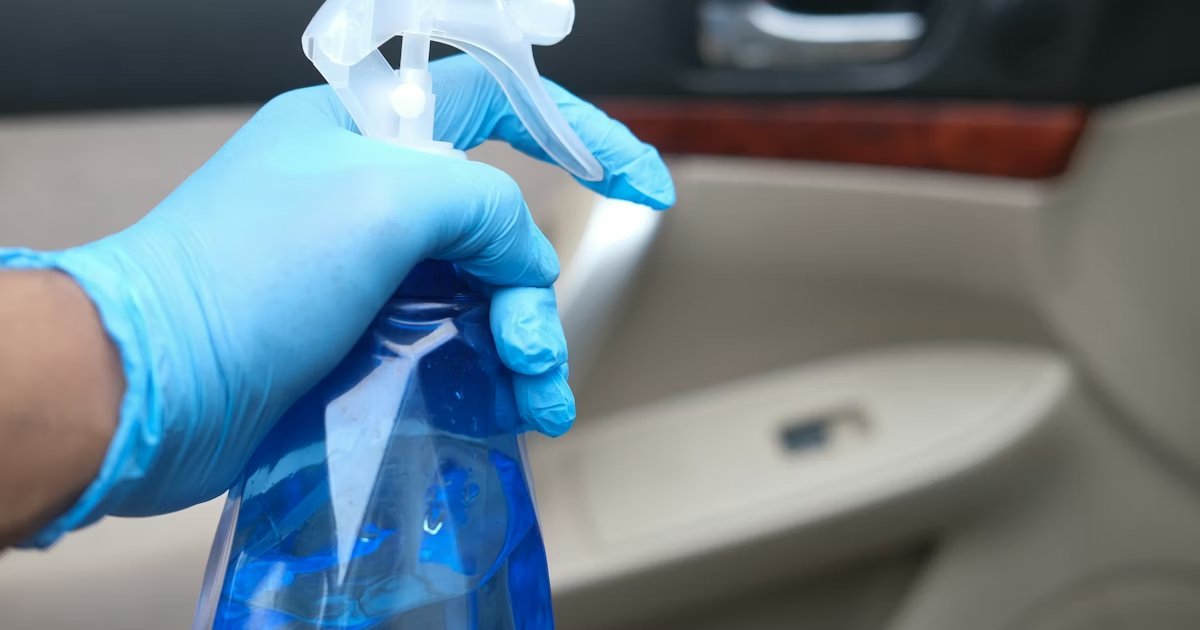
Mix a 1 part vinegar to 3 parts water solution in a spray bottle for hard surfaces and glass. Lightly mist dashboards, door panels, cupholders and windows, then let the cleaner sit for about 5-15 minutes. Wipe dry with microfiber cloths, then repeat any areas that smell stubborn as needed.
Treat upholstery with shampoo or extractor
Apply a foam upholstery cleaner or use a carpet extractor set to extraction mode and work one seat at a time. Agitate fabric with a soft brush, then extract until water runs clear. Repeat stubborn spots. Allow seats and carpets to air-dry several hours, longer in high humidity, until dry.
Finish with odor absorbers and purifier
Place activated charcoal pouches or open containers in the cabin and trunk for 24-72 hours to absorb lingering odor. Run a portable HEPA purifier with a carbon filter inside the closed car for about 2-8 hours, or until the air smells neutral. Recheck vents and repeat if necessary as needed.
Deep-clean Fabric Seats and Carpets
Deep-clean fabric seats and carpets by removing loose debris, treating stains, then shampooing or extracting to pull out odor-laden residues. This targets the fibers where smoke and resin cling and is the most reliable way to reduce a persistent weed smell.
Begin with a thorough vacuum using upholstery and crevice tools. Spend about 10-20 minutes per seating area and a similar amount on the floor mats and trunk, working seams and under cushions. Vacuuming removes loose ash, resin flakes and dirt that would otherwise hold odor and interfere with cleaners.
For spot treatment mix a mild cleaner or a vinegar solution of 1 part vinegar to 3 parts water in a spray bottle for small stains and fabrics that tolerate vinegar. Lightly spray a hidden area first. Apply cleaner, agitate gently with a soft brush, and let the cleaner sit for about 5-15 minutes if the stain or smell is strong, then blot or extract.
Shampoo or extract the whole seat and carpet area after spot work. Use a wet-dry extractor or a carpet shampooer following the machine’s directions, pulling as much water as possible. Repeat passes until the recovery water looks clearer. Allow fabrics to air-dry fully; drying may take several hours up to overnight indoors, and longer in high humidity. Use fans or the vehicle’s fan on low to speed drying, but avoid high heat that can stress fabrics.
After surfaces dry, sprinkle baking soda over upholstery and carpets and leave it for 8-12 hours to absorb residual odor, then vacuum again. For stubborn smells consider a second extraction or professional cleaning; moisture and incomplete extraction are common reasons odors return, so ensure fabrics are fully dry before reoccupying the car.
Clean Vents, Ducts and Hard Surfaces
Clean HVAC vents, dashboard seams, cupholders and other hard surfaces by opening access, agitating trapped residue, and removing residue with brushes, compressed air and a damp cloth.
Start by ventilating the car with windows open while you work, then locate vent faces and covers. If clips or screws are visible, remove the cover carefully; if not, work through the face with a thin brush or foam paintbrush and a flashlight. Use a vacuum crevice tool to pick up loosened dust and ash as you go.
Use short bursts of compressed air into vent openings to blow residue toward the face, catching what comes out with a towel or vacuum. For ducts that remain dirty, remove the cabin air filter if accessible and replace it. Run the blower on high for a few minutes after brushing to move loosened particles toward open windows.
Wipe hard surfaces, cupholders and seams with a microfiber cloth and a mild cleaner suitable for plastics and vinyl. For fabric-covered trim, apply an upholstery-safe cleaner and let it sit for 5-15 minutes before blotting. For narrow crevices use cotton swabs or a soft toothbrush to lift residue, then dry with a clean cloth.
If using a fogging or aerosol odor neutralizer, follow product instructions and use minimal product to avoid dampness; treat vents briefly and let the interior air out afterward. Finish by vacuuming once more and inspecting stitched seams, door pockets and under-seat areas where smoke particles collect.
Which Odor-removal Products to Use
Which product is right depends on the surface, how recent the smoke was, and how strong the residue is; read the table as a quick match of product, best surface or situation, typical contact or run time, and common limits.
If the table lists baking soda for upholstery and carpets, that means sprinkle, leave 8-12 hours, then vacuum to absorb odors. Activated charcoal rows show 24-72 hours because charcoal works slowly and needs time in enclosed bowls or pouches. Air purifier entries list 2-8 hours for a noticeable drop in smell when you run a purifier that has a carbon filter; longer runs help for heavier smells.
Vinegar appears as a liquid option for hard, nonporous surfaces and should be mixed 1 part vinegar to 3 parts water for wiping. Enzyme cleaners are best for organic spills and may not remove resin-based smoke tar; contact times vary by product. Ozone or professional treatments are listed for heavy residue or long-term contamination and are generally specialized rather than a DIY first step.
| Product | Best for | Time | Limitations |
|---|---|---|---|
| Baking soda | Upholstery, carpets | 8-12 hours | Vacuum after |
| Activated charcoal | Whole cabin | 24-72 hours | Needs containers |
| Vinegar mix | Hard surfaces | Quick wipe | May smell at first |
| Enzyme cleaner | Stains, odors | Follow label | Not for resin tar |
| Air purifier | Cabin air | 2-8 hours | Best with carbon filter |
| Ozone/professional | Heavy residue | Service-dependent | Specialized use |
Special Cases and Variations
Special cases and variations include leather seats, rental cars, recently smoked versus heavy residue, and cars where paraphernalia is stored, and each situation calls for different steps and some methods to avoid. Start by opening windows and doors for at least 30 minutes to move fresh air through the cabin. For leather, skip heavy scrubbing and steam cleaners that can dry or crack leather; use a leather-safe cleaner, a soft cloth, and a leather conditioner after drying.
For rentals or loaned cars, stick to noninvasive, removable steps like ventilation, surface wipes, and portable odor absorbers rather than disassembling panels. When smoke is recent, focus on airing, surface wiping, and a short run of an activated-carbon air purifier. For long-term or heavy residue, add deep shampooing of carpets and seat covers, cleaning vents, and professional detailing if smells persist. If paraphernalia is present, remove items and clean surrounding areas first, then follow the adapted cleaning steps above.
- Leather seats: Use a mild leather cleaner applied sparingly with a soft cloth, avoid saturating seams or using harsh detergents. After cleaning, dry thoroughly and apply a leather conditioner to keep material supple and help lock in the finish.
- Rental or borrowed car: Limit yourself to ventilation, wiping hard surfaces, and using removable odor absorbers. Avoid removing trim or disassembling panels, and check any rental agreement rules before making permanent or invasive changes.
- Recently smoked: Air the car, wipe hard surfaces with a mild cleaner, and run a cabin air purifier with a carbon filter for 2-8 hours if possible. Replace or refresh air fresheners only after major odors are reduced.
- Heavy, baked-in residue: Plan for deep cleaning like shampooing carpets and seat covers, cleaning headliner and vents, and thorough vacuuming. Consider professional steam cleaning or detail shops for persistent odors that home methods don’t remove.
- Stored paraphernalia: Remove all items, seal them in trash bags, and clean contact spots with appropriate cleaners. Check under seats and in storage compartments; small containers and residue can keep a smell alive even after surface cleaning.
- Smell from vents or ducts: Use a vent-cleaning brush and mild cleaner on accessible vent surfaces, run the fan on high with fresh-air mode while windows are open, and consider a short run of a cabin air purifier to treat circulated air.
Common Mistakes to Avoid
Avoid masking the smell or rushing the job, because shortcuts usually make odors stick or harm the interior. Simple errors like spraying air freshener, skipping vents, or soaking fabric can trap smoke residues or spread stains. Do the cleaning steps in the right order: air the car first, dry and vacuum thoroughly, treat fabrics and hard surfaces with appropriate cleaners, then use absorbers or a purifier. Take time on each area so treatments can work and dry.
If a method smells strong at first, let it off-gas outside; strong smells sometimes mean residues are still present. Follow safe product instructions and focus on removal rather than concealment.
- Masking with air fresheners: Spraying scent only covers, not removes, smoke molecules bound to fabric and plastic. Instead, clean surfaces first and use an odor neutralizer or absorber so the source is eliminated rather than hidden.
- Skipping the vents: Smoke settles in ducts and vent openings and will reapply odor when heater or AC runs. Clean vents and run the blower with windows open to flush air through the system before final testing.
- Soaking upholstery: Pouring large amounts of cleaner into fabric can leave damp pockets that promote mildew and odor. Lightly apply cleaner, blot or extract moisture, then dry fully with fans or sunlight.
- Using too-strong cleaners: Harsh solvents can fade upholstery or damage trim finishes. Test cleaners on a hidden spot and use diluted solutions as recommended to avoid stains or surface damage.
- Neglecting hidden crevices: Cupholders, ashtrays, seams and under seats trap resin and odor. Remove inserts, vacuum these spots, and use a small brush or cotton swabs to reach tight areas for true removal.
- Rushing the airing-out: Closing the car too soon traps released odors inside. Air the car thoroughly, allow absorbers time to work, and repeat cleaning if a faint scent returns after the car closes up.
How to Tell the Odor Is Gone
Use timed sniff tests, visual checks, and a short drive to confirm that weed odor is gone. Start with an immediate smell check after airing and cleaning, then repeat checks after the car sits and after driving.
Begin by opening all doors and windows and letting the car air for at least 30 minutes before the first sniff test. Walk around and smell at nose level, then sit in the driver seat and inhale normally; pay attention to seams, headliner, and carpeted areas where smoke lingers.
After that initial check, close the car and wait 1 to 2 hours, then sniff again. Run the HVAC on low with fresh air intake and smell at the vents while the system cycles; a lingering scent from vents means ducts or the cabin filter need attention.
Take a short drive of 10 to 20 minutes, then park and check immediately and again after the car cools. If the smell returns during driving, it likely comes from vents, under-dash areas, or the cabin filter and calls for deeper cleaning.
Lingering signs such as a stale, sweet, or resinous note indicate residue in fabric or hard-to-reach spots; if faint odor remains after these checks, try a deeper treatment like a thorough shampoo, baking soda left 8-12 hours on upholstery, or activated charcoal in the car for 24-72 hours.
Prevention and Upkeep to Keep It Gone
Prevent weed odor from returning by setting clear rules and keeping a short maintenance routine. A strict no-smoking rule in the vehicle is the most reliable way to avoid repeat problems, and communicating that rule to all riders matters.
Vacuum seats and carpets regularly, spending about 10-20 minutes per area for a thorough pass. Pay attention to seams, under cushions, and floor mats; frequent vacuuming removes loose particles that later release smells when heated.
Use odor absorbers on a rotating schedule: sprinkle baking soda on fabric and leave it for 8-12 hours before vacuuming to neutralize smells, and place activated charcoal containers in the cabin for 24-72 hours when you need stronger absorption. Run an air purifier with a carbon filter for 2-8 hours occasionally to keep air fresh.
Keep hard surfaces wiped with a gentle cleaner or a vinegar solution of 1 part vinegar to 3 parts water when needed, and change the cabin air filter per the vehicle manual or at regular intervals to prevent stale air circulation. Small, routine steps stop odors from building up and save time later.
Frequently Asked Questions
Will air fresheners get rid of weed smell or just hide it?
They mainly mask odors rather than remove the underlying smoke compounds. Air fresheners add fragrance that can cover the smell briefly, but smoke molecules and resin stay trapped in fabrics, vents and padding. For real odor removal, clean surfaces, vacuum thoroughly, use absorbers and consider an air purifier with a carbon filter. Only after cleaning should a light air freshener be used for a short-term scent.
Is it safe to use an ozone generator inside a car?
No, casual use of an ozone generator in a car is not recommended. Ozone can be harmful to people and pets if exposure is not controlled, and it can degrade rubber, plastics and certain interiors. If ozone treatment is being considered for severe odor, hire a trained professional who can evacuate the vehicle and follow safety procedures. Safer DIY options include ventilation, cleaning, absorbers and a carbon air purifier.
How long does weed odor usually stay in a car if untreated?
Weed odor can linger for days to weeks in a closed car if untreated. Persistence depends on how long smoke sat in the vehicle, whether the car has fabric seats or porous materials, and how often it was ventilated afterward. Resin can embed in upholstery, carpets and vents, so the longer it went untreated, the more intensive cleaning and repeated odor-absorbing treatments will be needed to remove it completely.
Can steam cleaning remove smoke odor from car upholstery?
Steam cleaning can help remove smoke and resin odors when combined with vacuuming and drying. The heat and moisture loosen soils and residues so they can be extracted, but steam alone may not reach padding or deep-set deposits. After steam cleaning, allow complete drying to prevent mildew. Follow up with odor absorbers like baking soda or charcoal and repeat treatment if any odor remains.
Will opening windows while driving remove the smell effectively?
Opening windows while driving helps dilute and remove some smell, but it usually isn’t enough alone to eliminate smoke trapped in fabrics. For better airing, open windows and doors for at least 30 minutes and then clean surfaces and vacuum. Venting helps reduce airborne odor immediately, but fabrics, vents and padding hold onto smell and need targeted cleaning and odor absorbers to fully remove the source.
Does washing seat covers and floor mats remove the smell completely?
Washing removable seat covers and floor mats removes much of the smell but may not eliminate odor trapped in upholstery, padding or the car’s ventilation system. Machine-washable covers and mats are an important step, yet fixed upholstery, under-cushion padding and vents may need steam cleaning, targeted cleaners and absorbers. Replace or deodorize cabin filters and run the ventilation system after cleaning for best results.
Are enzyme cleaners effective on smoke and resin odors?
Enzyme cleaners can help with organic residues and some resin-related smells, particularly on fresh contamination. They work by breaking down organic molecules, so they are most effective when applied soon after the spill or smoke exposure and used per label directions. For older or deep-set smoke, combine enzyme cleaners with thorough vacuuming, steam or shampoo cleaning, and follow up with absorbers and drying.
Do cabin air filters hold onto weed smell and need replacing?
Yes, cabin air filters can trap smoke particles and odors and often need replacing to stop recirculating smell through the vents. Check your vehicle’s filter location and service recommendations, then replace the filter if it smells or if it hasn’t been changed recently. After replacing, run the ventilation on fresh air mode and consider cleaning vents to clear any remaining odor.
The Bottom Line
Start by ventilating the car and removing loose particles with a careful vacuum. Clean hard surfaces and spot-clean upholstery with a mild solution, then use odor absorbers such as baking soda or activated charcoal to draw out lingering smells. For persistent odor, add a carbon-filter air purifier or repeat deep cleaning and consider cabin filter replacement. Pick one area to tackle first—ventilate, vacuum, then set absorbers overnight.