
Quick Answer
Open the car’s doors and windows and air it for at least 30 minutes, find and fix any leak, then dry damp areas. Clean upholstery and carpets with a 50/50 white vinegar and water solution, vacuum carpets and seats twice with a brush attachment, run the HVAC fan after cleaning, and leave baking soda or charcoal inside for 24-48 hours to absorb lingering odor.
Key Takeaways
- 1Open doors and windows and air the car for at least 30 minutes before or after cleaning.
- 2Vacuum carpets and seats with a brush attachment, then repeat the vacuuming process a second time.
- 3Use a 50/50 mix of white vinegar and water to treat upholstery and fabric odor, then let it sit.
- 4Let any cleaning solution remain on the surface for 10-15 minutes before wiping to loosen mildew.
- 5Place baking soda or activated charcoal in the car for 24-48 hours to absorb lingering musty smells.
Confirm the Smell Is Mold or Mildew
A musty or mildew smell inside the car usually means mold or mildew is present. That scent is often described as damp, earthy, or like old laundry; it differs from smells like gasoline, burnt oil, or rotting food. If the odor is sharp, chemical, or sewage-like, it probably has a different source and needs a different fix.
Look for visible signs that match the smell: dark spots on upholstery or carpet, fuzzy growth on seams or under floor mats, discolored ceiling fabric, or rusty water stains from leaks. Check the trunk, under seats, inside door pockets and beneath removable mats. Note any damp spots you can feel or see.
Do a quick airing test: open all doors and windows and air out the car for at least 30 minutes. Pay attention during and after airing which areas still give off the smell. That helps separate transient odors from ones tied to specific wet spots or hidden growth.
Also inspect the HVAC vents and the cabin air filter location; a persistent musty smell that returns when the fan runs often comes from the ventilation system. Smells that appear only after rain, after a spill, or after storage point strongly to recent moisture as the cause.
Make a short list of problem areas before cleaning: where the smell is strongest, any visible mold, and where fabric or insulation was wet. This list directs focused drying and cleaning so the smell can be removed rather than temporarily masked.
What You Need Before You Start
Gather supplies and tools so the cleanup goes straight through without delays. Include basic cleaning items, odor absorbers and a replacement cabin air filter so you can swap it if it’s contaminated.
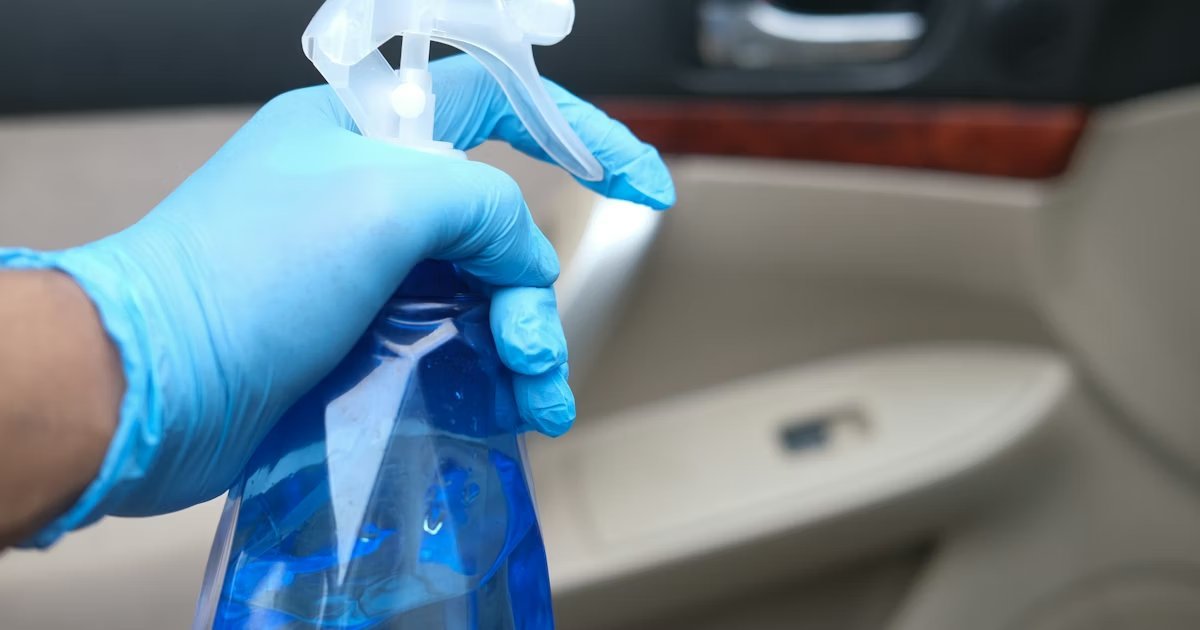
Protective items to have on hand include disposable gloves and an N95 mask. Cleaning tools should include a vacuum with a brush attachment, microfiber cloths, soft brushes, and a stiff brush for textured surfaces. Bring towels, a bucket, and a spray bottle for solutions.
For cleaners, have white vinegar for fabric-safe odor treatment and household bleach for non-porous areas only. Use a 50/50 white vinegar and water solution for most odor work and a bleach mix of 1 cup bleach per 1 gallon water for hard, non-fabric surfaces. Keep mild detergent available for soapy cleaning where needed.
Have odor absorbers ready: baking soda in open containers or activated charcoal pouches to place in the cabin after cleaning. Plan to leave those absorbers in the car for 24-48 hours. Also have a replacement cabin air filter on hand to swap after cleaning the vents.
Prep steps before you begin physical cleaning: vacuum carpets and seats twice using the brush attachment to remove loose debris, air out the car with doors and windows open for at least 30 minutes, and set aside odor absorbers to place after all cleaning is complete.
Step-by-step Cleaning Process
Follow a clear cleaning order to remove mold odor and reduce chances of it returning. A good result is when the musty smell is gone or very faint, no visible mold remains, damp areas feel dry to the touch or are dry within 24 hours, and the HVAC system blows neutral air after running.
Remove trash and wet items
Remove all trash, soaked towels, wet floor mats, and loose items from the cabin and trunk. Check under seats, seat pockets and the spare-tire compartment. Discard items that are saturated or can’t be dried; place salvageable items in sunlight or a dryer outside the car. The step is done when no obvious wet or trash items remain.
Vacuum carpets and seats twice
Vacuum the entire interior with a brush attachment, covering carpets, seat seams, under mats and trunk. Repeat the vacuuming a second time to pick up settled particles. Work slowly along seams and edges until no loose dirt or fibers come up on the brush. Finish when the surface looks free of visible debris.
Clean hard and fabric surfaces
Wipe hard plastic, vinyl and glass with mild detergent or a 50/50 white vinegar and water solution, applying with a cloth and letting it dwell 10-15 minutes before wiping. For fabric upholstery and carpet, mist the 50/50 vinegar solution lightly, scrub with a soft brush, and blot to remove excess moisture. Stop once visible residue and strong odor are reduced.
Disinfect non-porous surfaces
Treat non-fabric surfaces (metal trim, plastic, glass) with 1 cup household bleach per 1 gallon water, applying carefully to avoid fabrics. Let the bleach solution sit 10-15 minutes, then rinse or wipe off with clean water and cloths. This step is finished when surfaces are rinsed and no cleaning residue remains.
Dry, ventilate, and absorb remaining odor
Dry all damp areas until surfaces feel dry to the touch or within 24 hours using towels, fans, or sunlight where safe. Then run the car’s HVAC fan on high for 20-30 minutes to push air through vents. Finally place baking soda or charcoal in the car and leave them for 24-48 hours to absorb lingering odors.
Which Cleaner to Use by Surface
Use the table below to match the cleaner to the part of the interior you must treat and note the cautions that matter for each surface. For most fabrics and soft surfaces, a 50/50 white vinegar and water solution is a safe first step for odors; wipe, let the solution sit 10-15 minutes, then blot and dry. Do not use household bleach on fabrics or porous materials. A bleach mix of 1 cup household bleach per 1 gallon water is only for non-porous trim that can tolerate disinfectant, and it also needs 10-15 minutes of contact time before wiping.
Enzymatic cleaners or upholstery cleaners are useful when the smell comes from organic sources like spilled food or mildew trapped in padding; follow the product directions for contact time and rinsing. For any surface, test the cleaner in an out-of-sight spot first to check colorfastness or finish. After cleaning, dry damp areas until the surface feels dry to the touch or within 24 hours and vacuum fabric surfaces with a brush attachment twice to lift trapped particles. If a cleaner requires rinsing, use a damp cloth and then speed drying with fans or the car HVAC on high.
| Surface | Recommended cleaner | Cautions | Contact time |
|---|---|---|---|
| Upholstery (fabric) | 50/50 vinegar or enzymatic cleaner | Test color; no bleach | 10-15 minutes |
| Carpet | 50/50 vinegar or upholstery shampoo | Don’t oversaturate padding | 10-15 minutes |
| Leather/vinyl | Mild leather cleaner or 50/50 vinegar | Condition after cleaning | 10-15 minutes |
| Plastic trim | 50/50 vinegar or mild detergent | Bleach OK only if non-porous | 10-15 minutes |
| Under-seat foam/padding | Enzymatic cleaner; consider removal | Bleach not for foam/fabrics | Follow product label |
| Vents/duct faces | 50/50 vinegar on cloth; avoid spraying deep | Don’t add moisture into ducts | 10-15 minutes |
Cleaning Vents and Cabin Air Filter
Clean vents and replace the cabin air filter when vents smell musty or the car was exposed to damp air. Start with the visible vent faces: open each vent and use a soft brush plus a vacuum with a brush or crevice attachment to remove dust, flakes and loose debris. Work one vent at a time and hold the vacuum nozzle close while brushing to capture what falls free.
After vacuuming, wipe the vent slats and surrounding trim with a cloth dampened in the 50/50 white vinegar and water solution, letting the solution sit on the surface for 10-15 minutes before wiping with a clean damp cloth. Avoid spraying liquid deep into ducts; excess moisture in the ductwork can feed mold growth. If a vent face is removable, take it out and clean both sides before reinstalling.
Check and replace the cabin air filter if it smells, was wet, or was exposed to damp air. A smelly or damp filter can keep circulating odors even after surface cleaning. Replacement intervals depend on your vehicle and conditions, but swap a filter that smells or shows staining.
When vent cleaning is done and filters are replaced, run the car’s HVAC fan on high for 20-30 minutes to push remaining odor out of the system and help dry any residual moisture inside the ducts.
Special Cases: Heavy Mold or Soaked Carpets
Heavy visible mold or carpets soaked through usually need carpet removal, professional remediation, or part replacement rather than spot cleaning. When mold covers large areas, lives in the carpet padding, or returns after cleaning, the padding and carpet backing often trap spores and odors that normal cleaners can’t fully remove.
If carpets are soaked from a leak or flood, pull up carpet and padding so you can dry or remove wet materials; aim to have surfaces feel dry to the touch or be dry within 24 hours. Use a wet-vac to extract water, run fans and a dehumidifier, and remove seat cushions or trim that stay damp. Delaying removal or drying lets mold set into foam and backing and raises the chance that parts will need replacing.
For trunk liners, under-seat foam, headliners or insulation that remained wet, consider replacement when the material will not dry quickly or when odor persists. Non-porous panels can often be disinfected, but porous components that absorbed water usually retain odor and mold under the surface.
Bring the car to a professional remediation service if mold covers large areas, if odors continue after thorough cleaning and drying, or if removing and replacing parts is beyond DIY comfort. A pro can assess whether carpets, padding or structural components must be replaced to stop the smell for good.
Common Cleaning Mistakes to Avoid
Avoid these common cleaning mistakes that trap moisture, spread spores, and let mildew smells come back. Using the wrong product on the wrong surface will not kill the source and can damage fabrics. Masking the scent with an air freshener only hides the problem and keeps mold active. Forgetting the cabin air filter, skipping thorough drying, or not running the HVAC after cleaning lets spores settle and smell persist. Follow each step fully: clean with the right solution, let it sit 10-15 minutes before wiping, vacuum surfaces twice with a brush attachment, and finish with proper airing and HVAC circulation so the odor truly goes away.
- Bleach on upholstery: Never apply bleach solutions to fabric or leather. Bleach can discolor or weaken fibers and won’t soak into padding to remove hidden mold, so reserve bleach for hard, non-porous surfaces only.
- Masking with air fresheners: Sprays and plug-ins cover scent temporarily but do nothing to remove spores or trapped moisture. Rely on cleaning, airing, and odor absorbers instead of scents that can hide a worsening problem.
- Skipping the cabin air filter: Ignoring the cabin air filter lets moldy air recirculate through vents. Replace the filter if it smells or after a leak; a dirty filter can keep the mildew smell in the car.
- Failing to dry within 24 hours: Letting damp areas stay wet more than a day encourages mold growth. Dry spills and leaks until surfaces feel dry to the touch or within 24 hours to prevent regrowth.
- Not running the HVAC after treatment: Stopping before running the system lets spores stay in ducts and vents. Run the HVAC on high for 20-30 minutes after cleaning to move air and help dry hidden spaces.
- Skipping contact time for cleaners: Rushing to wipe cleaners off too soon prevents them from killing mold. Let the cleaning solution sit on the surface for 10-15 minutes before wiping to improve effectiveness.
How to Tell the Odor Is Gone
You can confirm the odor is gone by repeating airing, running the HVAC, and checking again after a full day. Start by opening all doors and windows and airing the car for at least 30 minutes, then smell for any lingering mustiness while the interior is fresh. If you treated upholstery or carpets, vacuum them with a brush attachment and repeat the vacuuming twice to remove loosened particles and residues.
After cleaning and vacuuming, run the car’s HVAC fan on high for 20-30 minutes to pull air through ducts and help dry hidden areas. During that run, set vents to fresh air intake rather than recirculate so outside air replaces interior air. If the smell fades during the run but returns later, it usually means a hidden wet spot or contaminated filter remains.
Place odor absorbers such as open baking soda containers or charcoal bags in the car for 24-48 hours, then recheck the interior scent after they’ve sat. Smell the upholstery, floor mats, trunk, and under seats; also hold the nose close to vents and the cabin air filter access to detect faint mustiness.
If musty scent remains after these steps, repeat targeted cleaning on any suspicious areas and dry them fully until they feel dry to the touch or within 24 hours. For persistent smells that do not respond to repeated cleaning, get professional mold removal because extensive growth in padding or ducts may require specialized treatment.
Prevent Mold Odor from Returning
Prevent mold odor from returning by removing moisture sources and keeping the interior dry and ventilated. Fix leaks in door seals, windows, the sunroof, or around the trunk promptly so water doesn’t enter and sit. After any spill or wet item, remove it and dry the area until the surface feels dry to the touch or within 24 hours to stop mold from starting.
Air the car regularly and especially after wet trips: open doors and windows for at least 30 minutes when weather allows to exchange interior air. On humid or rainy days, park in a covered spot if possible and run the HVAC fan on high for 20-30 minutes after a damp drive to move air and dry hidden cavities.
Replace the cabin air filter according to the vehicle manufacturer’s schedule or anytime a musty smell returns, because a clogged or damp filter can reintroduce odors. When storing a car for longer periods, leave small open containers of baking soda or charcoal inside to absorb moisture and smells; remove or refresh them once they become saturated.
Keep the interior clutter-free so wet clothing, floor mats, or shoes aren’t left inside to hold moisture. Check under seats, in glove boxes, and inside storage bins after heavy rain or a swim trip. Regular cleaning, prompt drying, and attention to filters and seals are the simplest ways to keep mildew smell away.
Frequently Asked Questions
Can mold odor in a car make people sick?
Yes. Mold odor can trigger allergy-like symptoms and respiratory irritation in people who are sensitive. Common reactions include sneezing, coughing, itchy or watery eyes, nasal congestion, and worsening asthma symptoms. If anyone has persistent or severe breathing trouble, stop using the vehicle and seek medical advice. Removing the source of the odor by drying and cleaning surfaces reduces exposure and the chance of ongoing symptoms.
Will an ozone generator permanently remove mold smell?
No. Ozone generators sometimes reduce odors but usually do not resolve the underlying mold source and may only mask smells temporarily. Ozone may oxidize odor molecules on surfaces but often cannot reach mold buried in upholstery, padding, or insulation. For a lasting result, combine any ozone use with source removal, cleaning, drying, and replacing contaminated materials when needed, since those steps remove the food and moisture that let mold persist.
Is it safe to use store-bought enzymatic cleaners on car upholstery?
Generally yes, when the product label lists automotive upholstery or fabric as compatible. Test the cleaner on a hidden seam to check for colorfastness, follow the manufacturer instructions, and allow treated areas to dry fully. Enzymatic cleaners can break down organic residues that feed mildew, but formulations vary. Use them as part of a cleaning routine that includes vacuuming, airing, and thorough drying to prevent odor recurrence.
Can baking soda or activated charcoal alone eliminate a strong musty odor?
Not usually; these absorbers help but rarely remove a strong, untreated mildew smell by themselves. Baking soda and activated charcoal work best after cleaning and drying—they reduce residual odors by absorbing volatile compounds. Place them in the car for 24-48 hours, then remove and vacuum. For strong odors, combine absorbers with cleaning, drying, and ventilation to address the source rather than relying on absorbers alone.
How often should the cabin air filter be replaced after a water leak?
Replace the cabin air filter if it became wet or emits a musty smell; otherwise follow the normal replacement schedule. A soaked or odorous filter can continue spreading mildew smell through the vents. After replacing the filter, run the HVAC fan on high for 20-30 minutes to help clear remaining particles and odor from the ducts. Inspect the filter compartment and dry any damp areas to prevent recontamination.
Can steam cleaning upholstery remove mold smell without chemicals?
Sometimes; high-temperature steam can reduce odors and sanitize fabric when applied properly and paired with thorough drying. Steam may loosen and remove surface mold and organic residues, but it can also add moisture that must be extracted. After steam cleaning, dry the upholstery until it feels dry to the touch or within 24 hours to prevent regrowth. Follow steam cleaning with vacuuming and odor absorbers for best results.
Do car warranties or insurance cover mold or water damage cleanup?
Coverage varies widely; many vehicle warranties exclude mold and general wear, while some comprehensive insurance policies may cover sudden water intrusion. Review the specific warranty terms and your insurance policy for exclusions, limits, and required documentation. If filing a claim, document the damage with photos, note when you discovered it, and keep receipts for any emergency repairs or cleaning to support the claim process.
Can mold in a car spread to items taken into a home?
Yes. Mold spores and mildew odor can attach to clothing, seat covers, and soft items and be carried into living spaces. To reduce the risk, bag or isolate items removed from the car, launder fabrics promptly, and clean hard objects before bringing them inside. Treating and drying the car first reduces the chance of transfer, since cleaning the source lowers the number of spores and odor-carrying fragments.
The Bottom Line
Focus on three things: stop the moisture, clean the affected materials, and make sure everything dries. Find and fix any leak, dry damp areas until they feel dry to the touch or within 24 hours, and clean upholstery and hard surfaces using recommended solutions. Finish by vacuuming twice, airing the car, running the HVAC fan, and using absorbers for a day or two. Pick a dry day, follow the cleaning steps, and monitor for any returning smell so the source can be addressed quickly.